

When brands are evaluating co-packers, they tend to focus on the obvious things: quality, certifications, cost. Those all matter. But one capability that often gets underweighted is agility: the ability to scale quickly, pivot production, and help brands run market tests without blowing timelines or budgets.
In today’s market, consumer behavior shifts quickly. When a product tests well, brands need the ability to scale production without delay. Minor formula adjustments shouldn’t mean overhauling an entire production line, especially when the window between a successful pilot and full market launch can close in a matter of weeks rather than months.
In our decades working with food, beverage, and CPG brands, we’ve seen the difference a truly agile co-packer makes, and what it costs when that flexibility isn’t there. Here are the three capabilities that matter most.
1. Workforce Flexibility That Can Scale on Demand
Production capacity is only as reliable as the workforce behind it. When volume spikes, whether from a successful test, a seasonal push, or an accelerated launch timeline, a co-packer that can’t staff up quickly becomes the bottleneck.
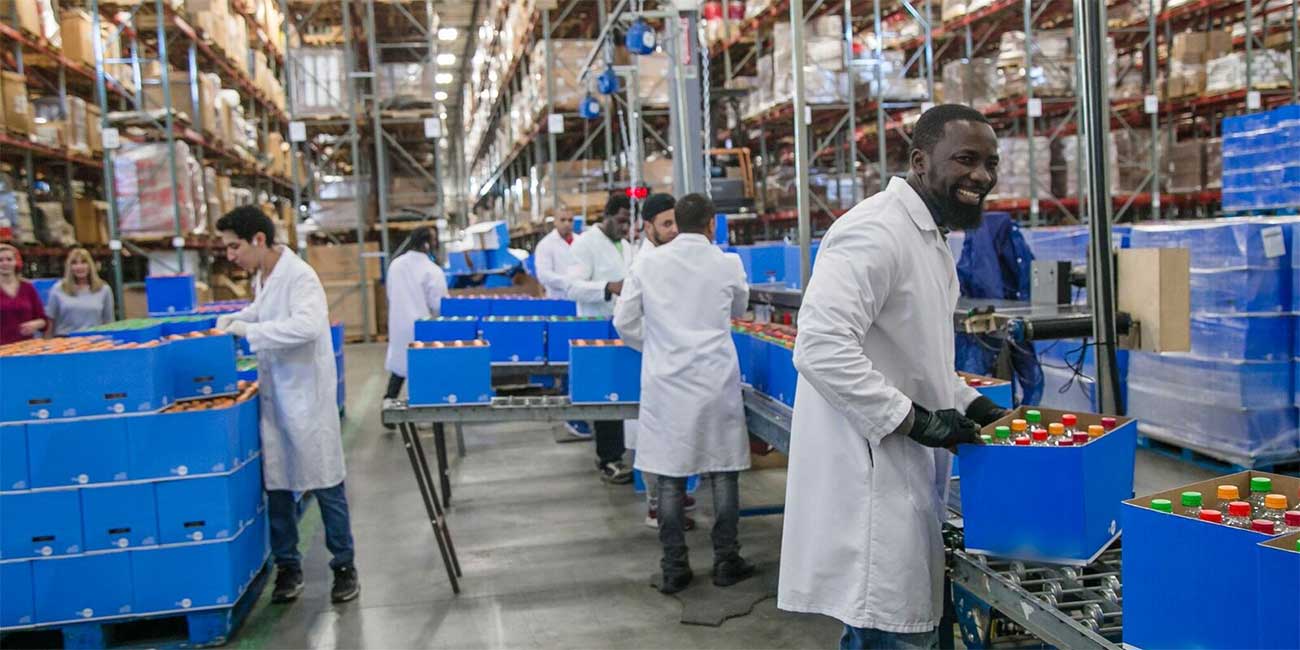
The most agile operations don’t rely on a fixed headcount–they maintain a model that can add shifts, expand lines, and respond in days rather than weeks. This matters especially for pilot programs, where the ability to move fast is the whole point.
What this looks like in practice:
- A core production team supported by trained, on-demand labor
- The ability to add second and third shifts without disruption to existing programs
- Low turnover, because consistency in the workforce means consistency in quality
- Certifications like SQF, ISO 9001, and FDA registration that reflect operational discipline, not just paperwork
2. A Connected Supply Chain That Cuts Out the Handoffs
Every time a product moves between vendors, facilities, or geographies, time and money get added to the equation. Fragmented supply chains are one of the most common and most invisible sources of delay.
The most flexible co-packers operate within a connected ecosystem where bottling, filling, formulating, and packaging happen in close proximity. This isn’t just a logistics convenience–it’s what makes it possible to run a small pilot and a large-scale program at the same time, without one crowding out the other.
The practical impact:
- Faster turnaround times with fewer coordination handoffs
- Lower costs: less transportation, less handling, less time in transit
- Real-time problem-solving when issues come up, instead of waiting days for a response across the supply chain
- The flexibility to test and scale simultaneously
For a closer look at how supply chain structure affects your bottom line, see our post onhidden supply chain costs.
3. Technology That Opens Up Packaging Options
Speed to market isn’t just about moving fast, but about having options. Brands competing on crowded shelves increasingly need packaging that stands out, can be tested in different formats, and can be produced efficiently at both small and large volumes.
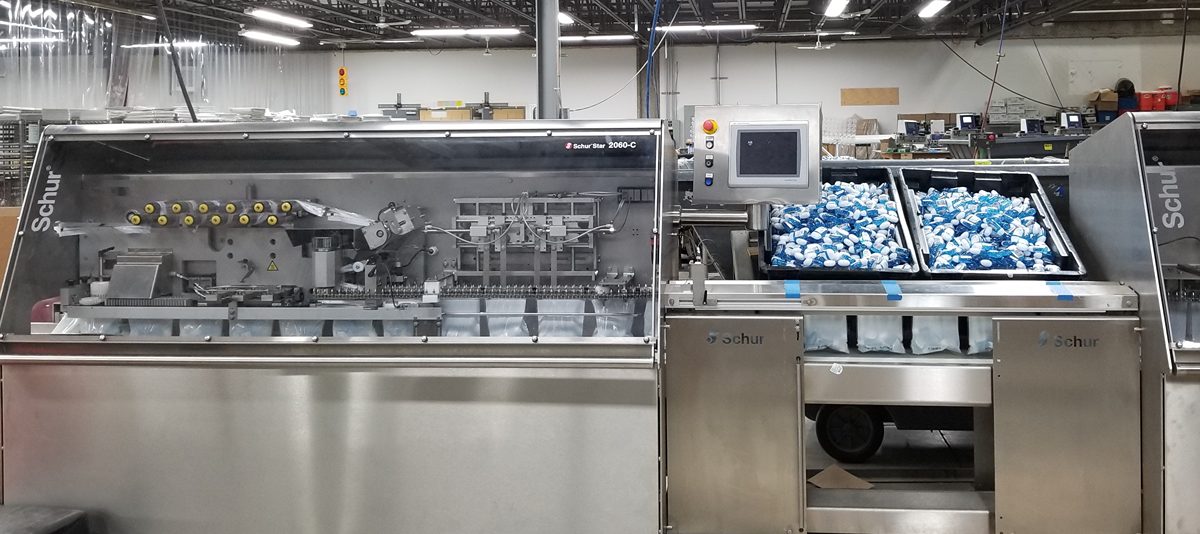
The right technology investment makes all of this possible. Co-packers with forward-thinking equipment can run variety across packaging sizes and shapes, change over quickly between formats, and support sustainable materials, without the long lead times and tooling costs that traditional approaches require.
There are a few questions worth asking any co-packer about their technology:
- What have they invested in recently, and why?
- How quickly can they change over between configurations?
- Can they run multiple product lines on the same equipment?
- What sustainable packaging formats do they support?
For more on how innovation connects to sustainability, see our post on sustainable, agile, and efficient packaging through innovation.
Why This All Adds Up to Something Bigger
These three factors (scalable staffing, a connected supply chain, and the right technology) don’t just make operations more efficient–they change what’s strategically possible for a brand.
With a truly agile co-packer, you can:
- Run small, fast market tests without committing to large production volumes upfront
- Scale a successful product quickly, without switching partners mid-momentum
- Incorporate consumer feedback in near real-time by adjusting formulations, sizes, or configurations without a months-long reset
- Move from 10,000 units to 10 million without rebuilding your production strategy from scratch
The gap between a brand that can move fast and one that can’t is rarely about the product itself. More often, it comes down to the capabilities of their packaging partner.
For more on how to approach packaging decisions, see our guide to choosing the best packaging for your product.
Ready to Work With a Co-Packer Built for Speed?
At Accel, agility isn’t a feature–it’s how we’re built. From our on-demand staffing model to our location in the New Albany Beauty Park to our decades of experience, we’re set up to help brands move fast without sacrificing quality.
If you’re looking for a co-packing partner that can support nimble market tests and scale with you when they succeed, contact our team to start the conversation. Find out what agility can do for your business!